
Composite dental bonding isn’t for everyone. If your smile is crooked, you have larger chips, or if you’re suffering from serious dental health issues like missing or badly decayed teeth, this might not be the cosmetic treatment you need.
Tooth bonding is the better option for those who seek small cosmetic improvements for teeth that are otherwise healthy. Talk to your dentist about what you don’t like about your smile and what you’re hoping to achieve. We’ll help you determine if dental bonding is the best choice or if a more in-depth treatment is needed.
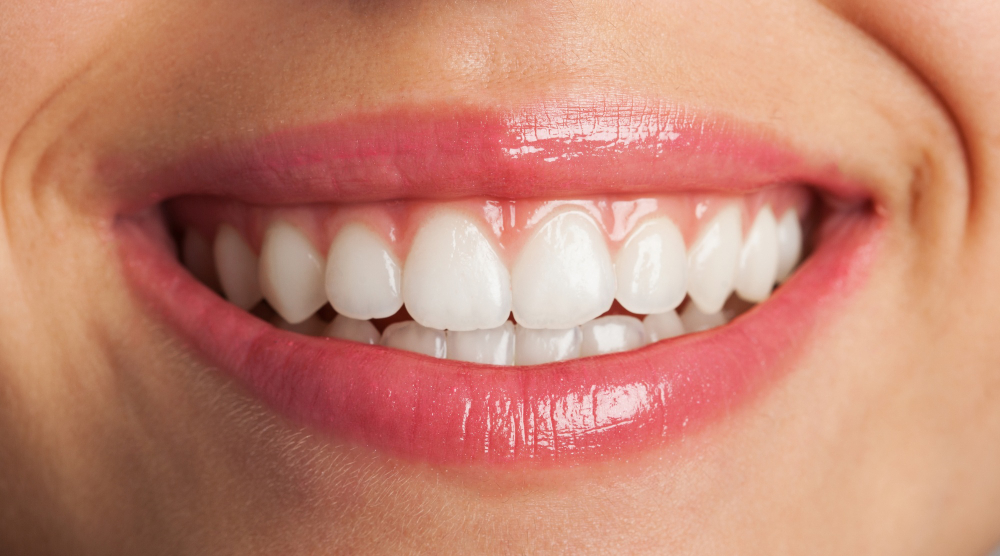
Small chips, cracks, gaps or stains can be a big annoyance. For these minor imperfections, cosmetic tooth bonding is an effective and simple method for improving and strengthening your smile.
Unlike other cosmetic treatments, tooth bonding can be completed in a single visit with fast and natural-looking results. This process also acts as a shield for your teeth and gums, protecting them from decay and other damage.
If you’re unhappy with your smile, you owe it to yourself to ask us about this non-invasive, reversible, and amazingly effective procedure.
Recognized by the American Dental Association as an effective method for cavity prevention, dental bonding restores your teeth to their original state.
Dental bonding is a tooth-colored composite resin (a biocompatible plastic material). This resin is applied to your damaged tooth or teeth, covering up stains, closing small gaps, and filling in chips.
The last step is to polish and harden (bond) the resin using a special light — all in just one easy and comfortable appointment.
Your smile makes a difference in the world and in the lives of those you care about the most.
With proper oral hygiene habits, dental bonding can last for several years. For best results, we encourage you to avoid habits that might increase your chances of chipping a tooth, including chewing ice or biting on your nails.
No. Just like when getting a filling or other minimally-invasive treatment, we’ll ensure you’re properly numb and relaxed before we start treatment. You’ll be comfortable the whole time and most patients can resume normal activities right away.
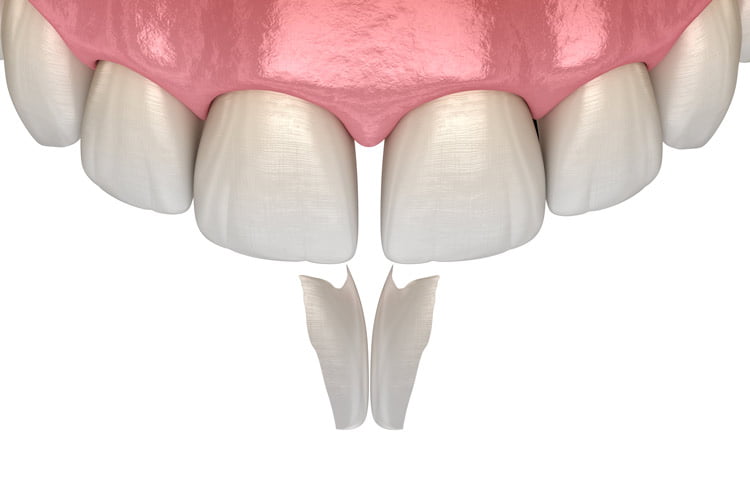
If your smile is suffering from large chips or gaps, veneers may be a better option than bonding. Bonding is typically best for those with small or few issues, like a couple of stained teeth or small gaps, nicks, or cracks.